Discover When Did Football Start and the Fascinating Origins of the Game
I've always been fascinated by how sports evolve from simple pastimes to global phenomena, and football's journey might just be the most remarkable of them all. When I first started researching the origins of this beautiful game, I expected to find clear historical records, but what I discovered was far more complex and intriguing. The truth is, pinpointing exactly when football started requires us to travel back through centuries of human history, tracing a path that winds through medieval villages, English public schools, and ultimately to the standardized sport we know today.
Let me take you back to where it all began, or at least where the earliest traces emerge. While modern football as we recognize it formally started in 1863 with the founding of the Football Association in England, the roots stretch back much further. Ancient civilizations from China's "cuju" to Roman "harpastum" played ball games that resembled football in some aspects. I remember visiting the National Football Museum in Manchester and being struck by how these ancient games shared the same fundamental human desire - that primal urge to kick something toward a target. The Chinese version dating back to the 2nd and 3rd centuries BC was particularly sophisticated, with players needing to kick a leather ball through an opening in a net without using their hands. What's fascinating is how these early forms existed independently across different cultures, yet they all seemed to be reaching toward the same concept.
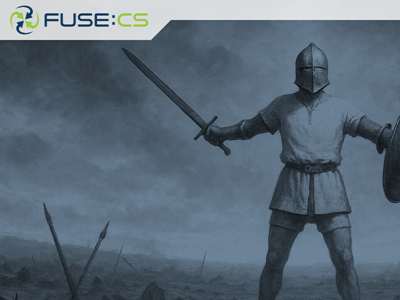
The medieval period in England saw mob football emerge, and this is where things get really interesting from my perspective. These games were chaotic, violent affairs with entire villages participating, often with hundreds of players and very few rules. I've read accounts of matches that lasted for days, with goals sometimes miles apart. The sheer physicality of these games makes modern derbies look tame by comparison. There's a famous account from the 12th century of London youths gathering annually on Shrove Tuesday to play a massive football game that would spill through the city streets. What strikes me about this period is how the game reflected society itself - unstructured, territorial, and fiercely competitive.
The 19th century marked the real turning point, and this is where my personal admiration for the English public school system comes into play. These institutions essentially rescued football from its chaotic past and began shaping it into something recognizable. Each school had its own rules initially - at Rugby School they permitted handling the ball, while at Eton they preferred mainly kicking. I've always been partial to the kicking game myself, finding more artistry in footwork than in brute force. The critical moment came in 1863 when representatives from several clubs met at the Freemasons' Tavern in London to establish unified rules. This meeting led to the split between rugby football and association football, with the latter becoming what we simply call football today.
What's often overlooked in these historical accounts is the emotional component of the game, something that has remained constant throughout its evolution. Reading through historical descriptions, I'm always struck by how similar the emotional landscape feels to modern football. Consider this scene from an early match description: "Consoling hugs, words of encouragement, and hints of laughter here and there filled the pink side of the court just as sheer jubilation and euphoria can be seen, felt, and heard from the Angels' end." This could easily describe any modern match day - the raw human emotions, the camaraderie, the immediate transition from despair to delight. This emotional continuity is what truly connects today's global spectacle with those medieval village games. The technology has changed, the rules have been refined, but the heart of the game remains the same.
The spread of football across the globe happened remarkably quickly once standardized rules were established. By my estimation, within just 50 years of the FA's formation, football had reached every continent. The British Empire played a crucial role in this dissemination, with sailors, traders, and colonial administrators introducing the game wherever they went. I've always found it fascinating how different cultures adapted the game to their own sensibilities. The South Americans added flair and creativity, the Europeans developed tactical sophistication, and each region put its own stamp on what started as an English pastime.
Looking at the modern game with its global tournaments and billionaire players, it's humbling to remember that football's origins were much simpler. The first footballs were inflated pig bladders, the first goals were whatever markers people could find, and the first pitches were open fields with uncertain boundaries. Yet the essential magic was there from the beginning - that combination of physical skill, strategic thinking, and emotional intensity that continues to captivate billions worldwide. As someone who's studied the game's history extensively, I believe understanding these origins only deepens our appreciation for what football has become. The next time you watch a match, take a moment to consider that you're witnessing the latest chapter in a story that spans centuries and continents, a story that continues to evolve with each passing season.